Charlotte Harbor's County Seat
Welcome to Punta Gorda, the Charlotte County seat where the Peace River meets Charlotte Harbor, offering historic neighborhoods, canal-front living, and world-class sport fishing on Florida's Gulf Coast.
Punta Gorda sits at the confluence of the Peace River and Charlotte Harbor, roughly midway between Sarasota to the north and Fort Myers to the south along Florida's Gulf Coast. The city serves as the county seat of Charlotte County and is the only incorporated municipality within the county's boundaries. Its name — Spanish for "Fat Point" — dates to the Spanish colonial period and references the broad point of land jutting into the harbor. With a population of roughly 20,000, Punta Gorda is small by Florida standards, but its role as the governmental and commercial hub of Charlotte County gives it an outsized regional presence. The city's geography is defined by water. Charlotte Harbor, the second-largest natural harbor in Florida, forms Punta Gorda's southern boundary and shapes its climate, economy, and daily rhythms. A network of man-made canals — most prominently in the Punta Gorda Isles neighborhood — extends the waterfront deep into residential areas, giving thousands of homes direct boat access to the harbor and, beyond it, the Gulf of Mexico. The Peace River, flowing from central Florida, empties into the harbor at the city's edge and adds a freshwater dimension to the region's ecology. Punta Gorda's identity rests on three pillars: water recreation, historic preservation, and its role as a government center. Sport fishing — particularly for tarpon, snook, and redfish — draws anglers from across the country. The city's historic districts preserve residential architecture from the late nineteenth and early twentieth centuries, including Queen Anne and Neo-Classical Revival homes that survived the region's hurricane history. As the county seat, Punta Gorda hosts Charlotte County's courthouse, administrative offices, and a concentration of professional services. The population skews older, with a significant share of retirees drawn by the warm climate, waterfront access, and a relaxed pace of life. The downtown area, centered on Marion Avenue and the Harborwalk, has cultivated a walkable, small-town character with independent restaurants, shops, and regular community events. Punta Gorda Airport, just minutes from downtown, offers direct commercial flights to destinations in the Northeast, Southeast, and Midwest — a convenience that distinguishes the city from many comparably sized Florida towns.
Punta Gorda is the county seat of Charlotte County, Florida. It is the only incorporated city in the county and serves as the governmental and commercial hub for the Charlotte County region on Florida's Gulf Coast, situated between Sarasota and Fort Myers.
Yes. Punta Gorda sits at the confluence of the Peace River and Charlotte Harbor, the second-largest natural harbor in Florida. Many homes, particularly in the Punta Gorda Isles neighborhood, have canal frontage with deep-water sailboat access directly to the harbor and the Gulf of Mexico beyond.
Punta Gorda is known for world-class sport fishing — especially for tarpon, snook, and redfish — on Charlotte Harbor. The city is also known for its historic districts with late-19th- and early-20th-century architecture, the canal-front Punta Gorda Isles neighborhood, the 2.5-mile Harborwalk connecting downtown to Fishermen's Village, and Punta Gorda Airport, which offers direct commercial flights to destinations across the eastern United States.
Yes. Punta Gorda Airport (PGD) is located within three miles of downtown and offers commercial passenger service with direct flights to cities in the Northeast, Southeast, and Midwest. Southwest Florida International Airport in Fort Myers is approximately 40 miles south for broader domestic and international connections.
The Harborwalk is a 2.5-mile paved waterfront path that runs along Charlotte Harbor, connecting Laishley Park to Fishermen's Village through downtown Punta Gorda. It is part of an 18-mile network of biking and walking trails in the city and provides views of the harbor, access to waterfront restaurants, and a pedestrian-friendly route through the city's most scenic corridor.
City Guide
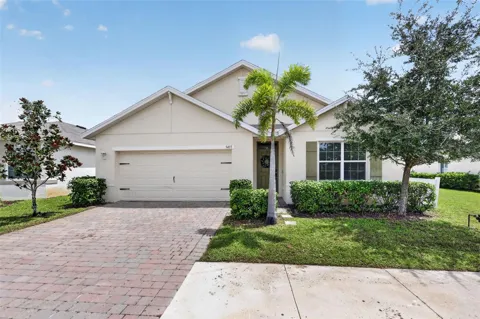
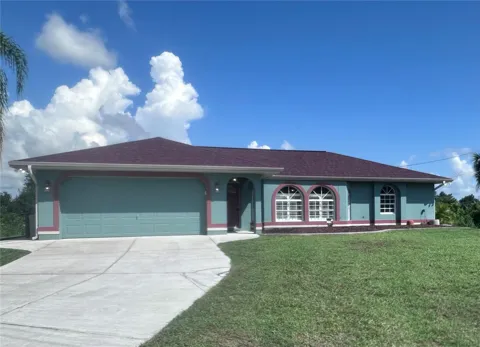
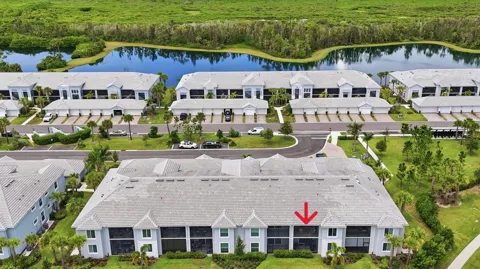
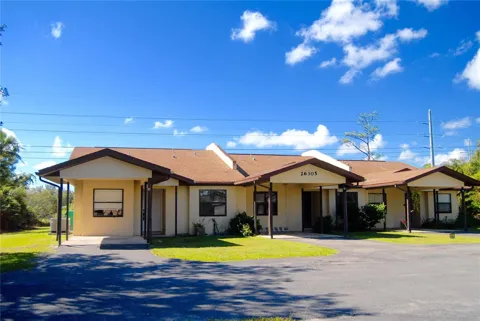
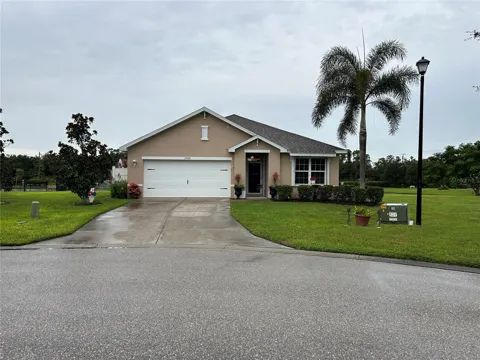
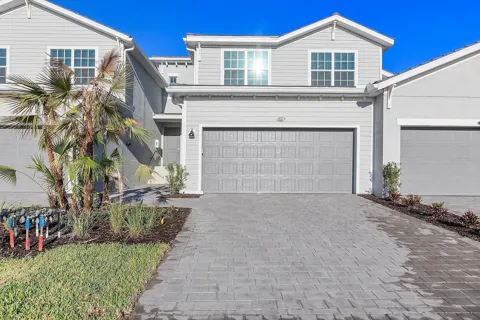
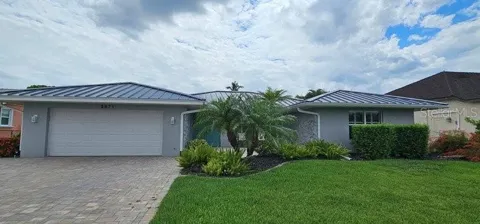
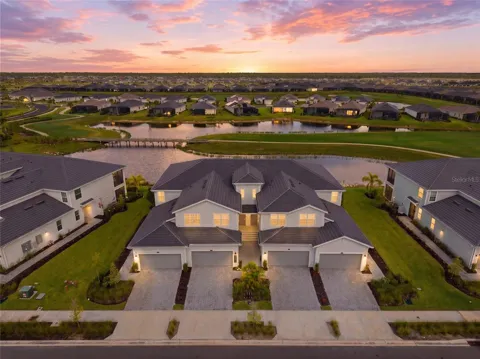
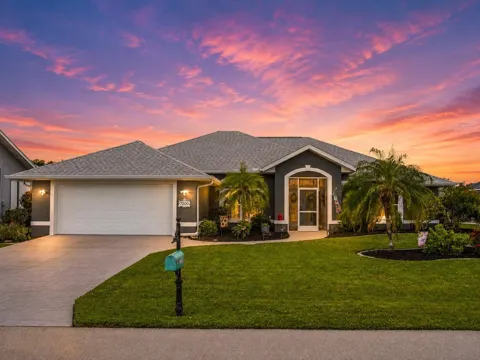
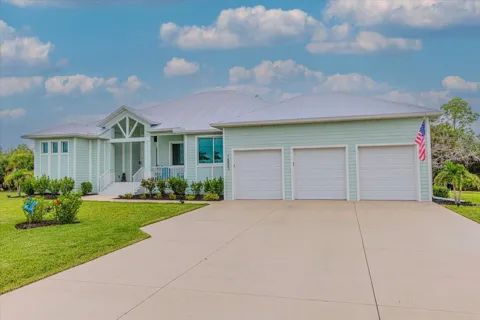
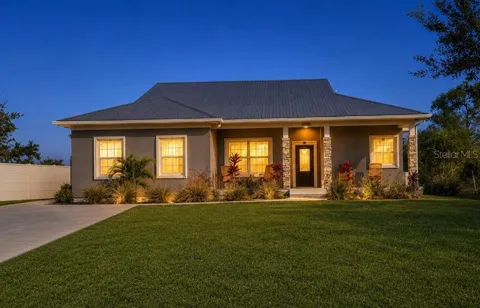
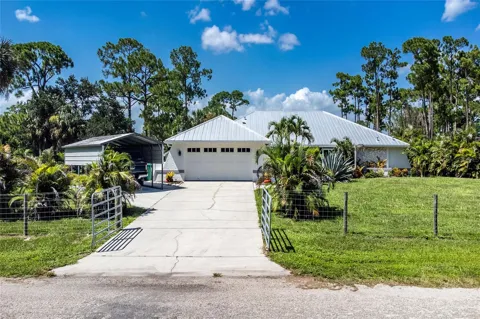
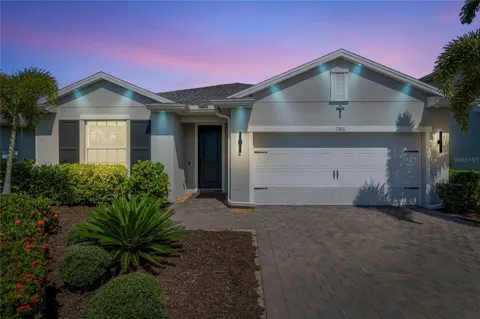
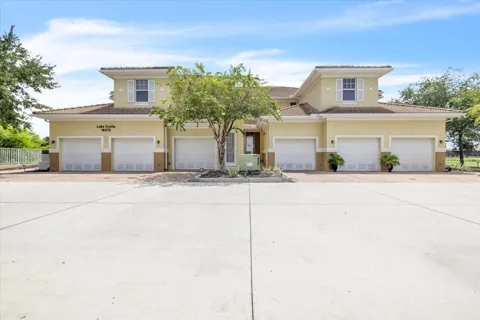
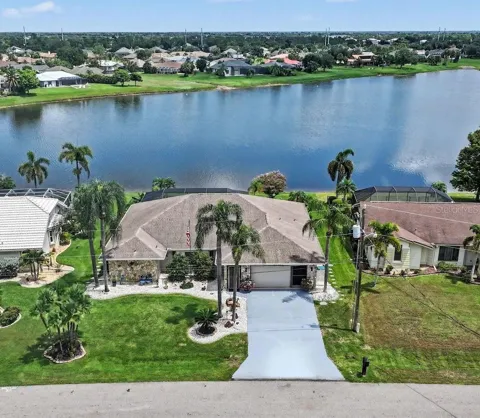
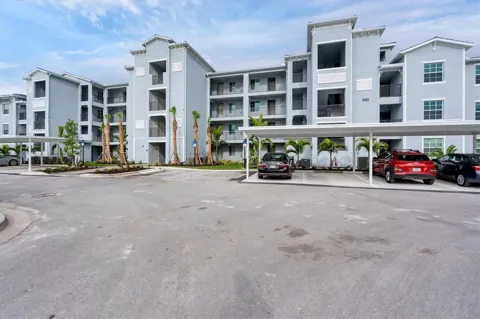
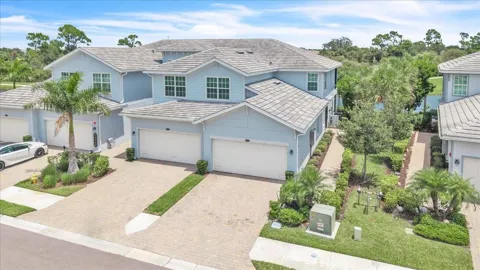
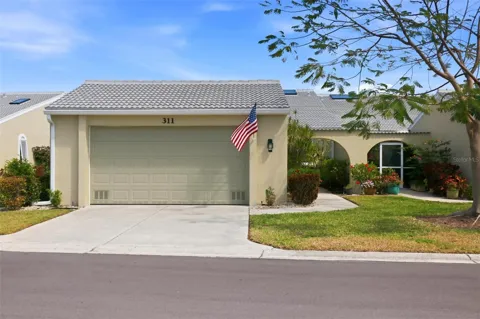
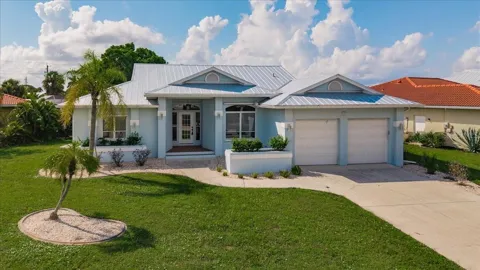
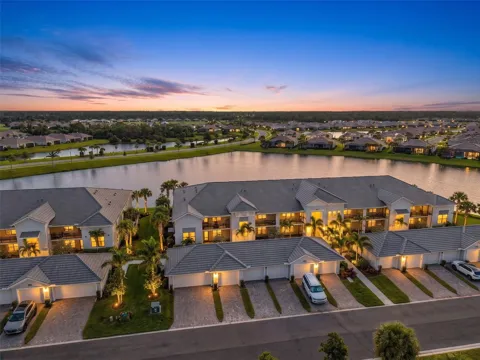
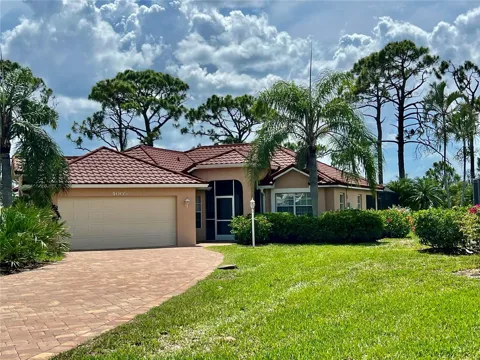
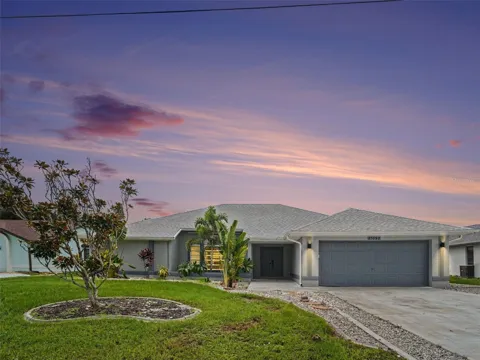
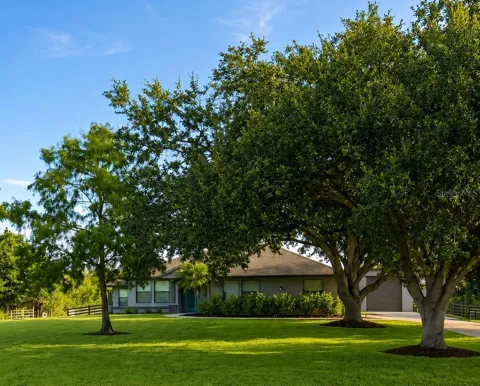
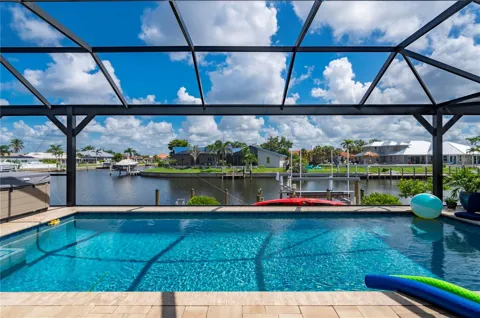
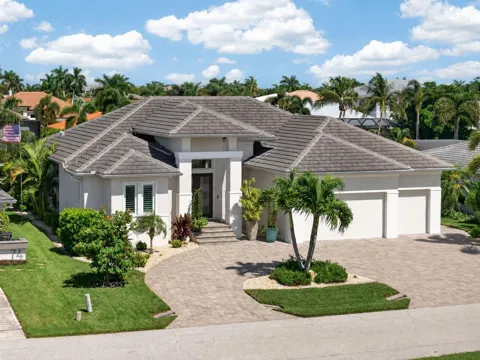
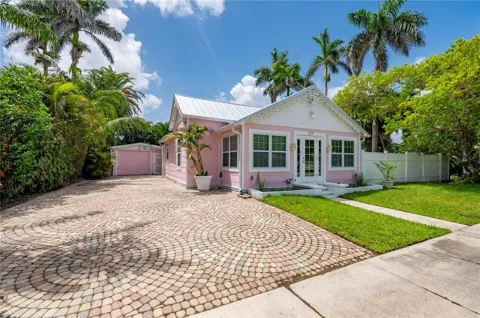
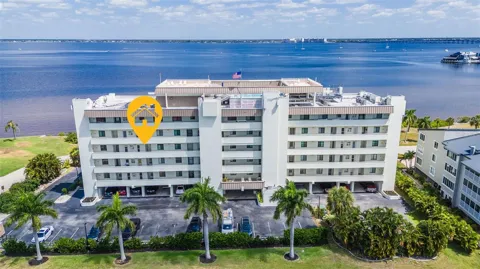
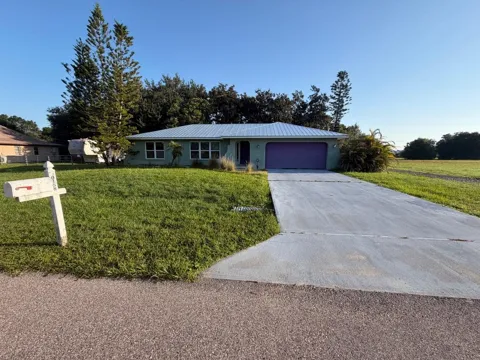
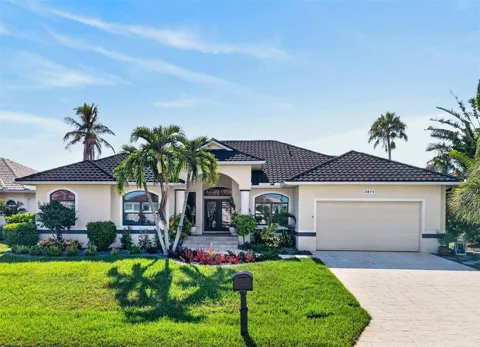
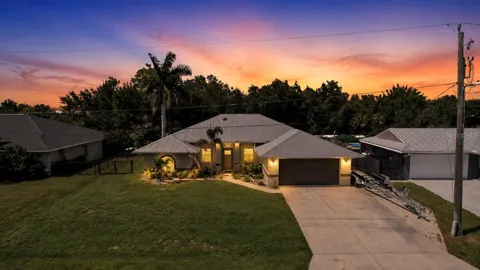
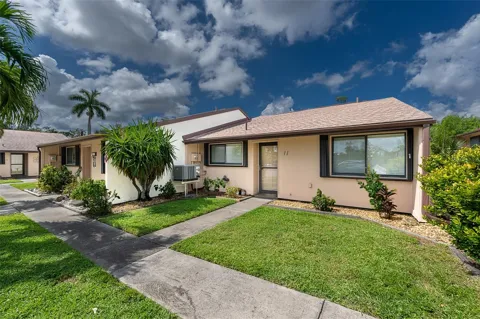
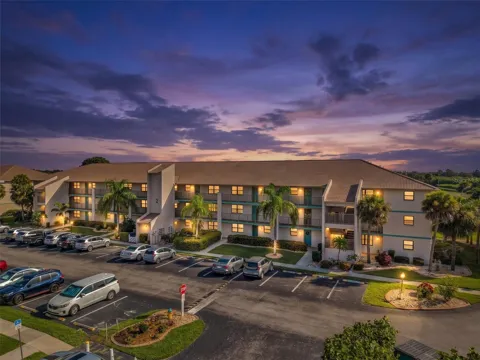
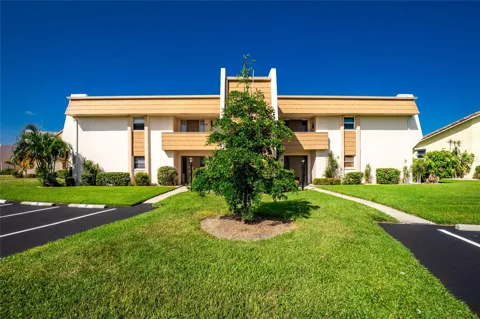
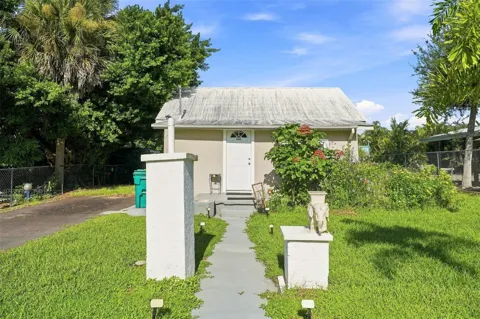
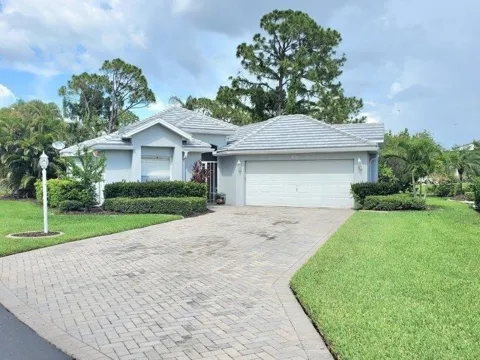
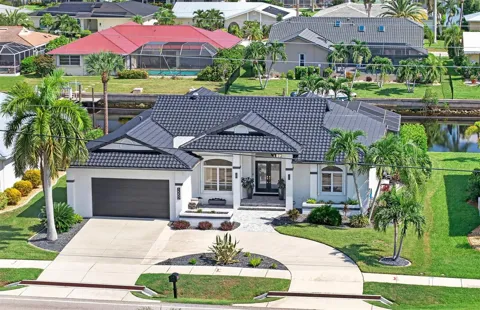
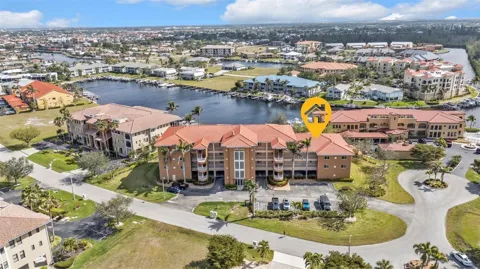
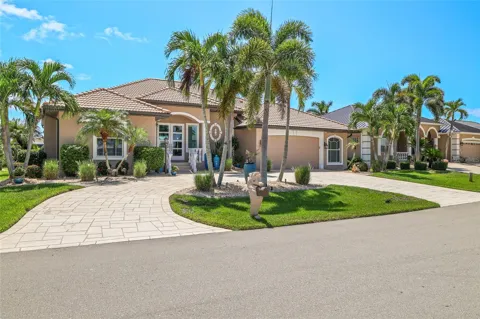
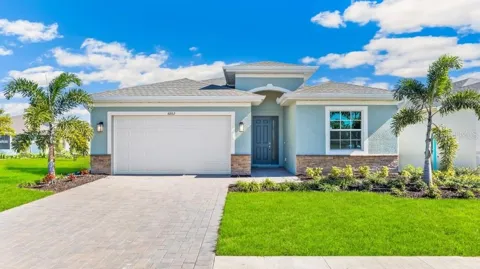
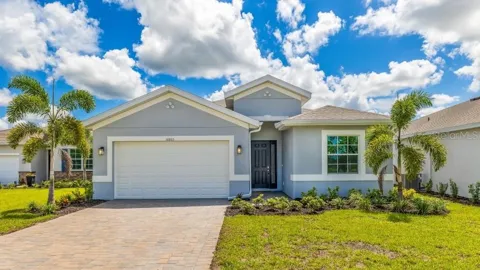
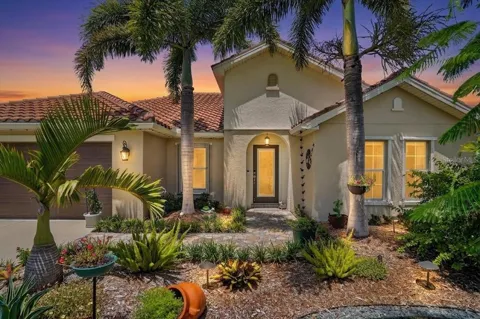
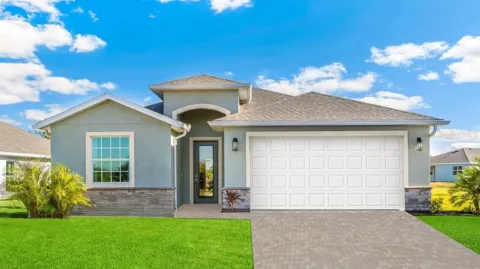
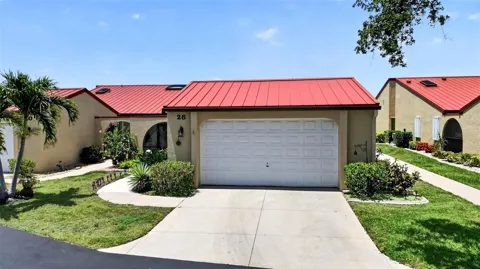
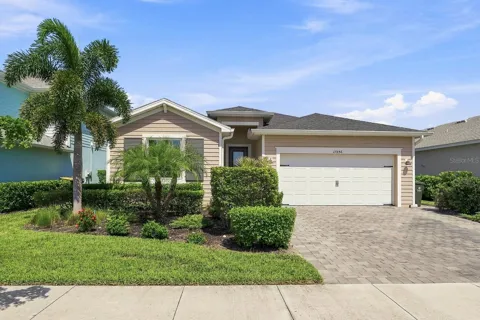
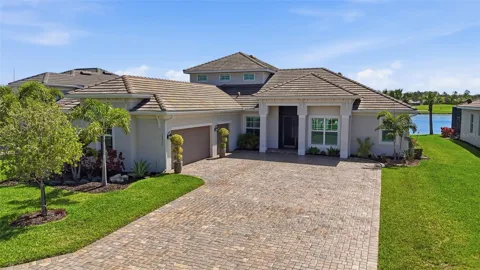
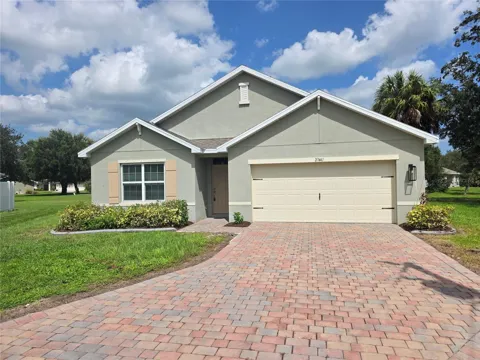
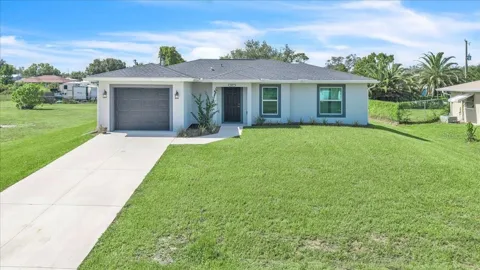
Punta Gorda's housing stock is unusually varied for a city of its size, shaped by its history as a railroad and fishing town that evolved into a retirement and vacation destination. The city's designated historic districts preserve late-19th- and early-20th-century architecture, including Queen Anne, Neo-Classical Revival, and Craftsman homes concentrated near downtown. These historic properties offer wood-frame construction, wraparound porches, and mature landscaping that distinguish them from newer Florida construction. The Punta Gorda Isles neighborhood, a mid-century canal-front development, represents the city's most iconic residential typology: single-family homes on sailboat-accessible canals with private docks and direct access to Charlotte Harbor. Burnt Store Isles offers a similar canal-front pattern on a slightly smaller scale. Burnt Store Meadows and areas further inland provide more conventional suburban housing — ranch homes and newer construction on larger lots without waterfront premiums. Fishermen's Village combines residential units with a waterfront shopping and dining complex along the harbor. The overall market skews toward single-family detached homes, with condominium inventory concentrated in waterfront and downtown locations.
Punta Gorda's neighborhoods fan out from downtown in distinct bands. The historic core — encompassing the areas around Marion Avenue, the Harborwalk, and the older residential streets to the east — contains the city's oldest homes and its most walkable blocks. La Villa, one of the city's earliest subdivisions, features a mix of restored historic homes and newer infill construction within walking distance of downtown restaurants and shops. Punta Gorda Isles, extending south and west of downtown, is the city's largest and best-known residential area: hundreds of canal-front homes on a network of man-made waterways, each with deep-water sailboat access to Charlotte Harbor. Burnt Store Isles, to the south, mirrors this pattern in a somewhat smaller footprint. Burnt Store Meadows, inland to the southeast, offers more conventional suburban living with larger lots and newer construction. The Trabue Woods Historic District preserves the legacy of Punta Gorda's early African American community, including the historic Bethel A.M.E. Church (1888) and the Blanchard House Museum. South Punta Gorda Heights and the Jones Loop area provide additional residential options further from the water.
Life in Punta Gorda revolves around the water and the downtown. The Harborwalk, a 2.5-mile paved path along the harbor, connects Laishley Park to Fishermen's Village and forms part of an 18-mile network of biking and walking trails that thread through the city. On any given morning, residents walk dogs along the harbor, kayak through the mangroves, or head out through the canals into Charlotte Harbor for a day of fishing or sailing. Downtown Punta Gorda, centered on Marion Avenue, offers a compact, walkable district of independent restaurants, bars, and shops. Waterfront dining spots like Laishley Crab House and the Village Brewhouse at Fishermen's Village serve fresh Gulf seafood with harbor views. The city's event calendar includes regular farmers markets, art festivals, and live music that animate the downtown streets. Punta Gorda is not a high-rise beach town — it is a low-slung, boat-oriented community where the pace slows, the dress code is casual, and the primary luxury is a dock behind the house and a sunset over Charlotte Harbor.
Punta Gorda is served by Charlotte County Public Schools, which operates elementary, middle, and high schools across the county. Charlotte High School, located in Punta Gorda proper, is the primary public high school serving city residents. The district also offers charter school options and career and technical education programs. While the school-age population in Punta Gorda is smaller relative to the retiree demographic, families moving to the area will find a district that is smaller and more centralized than those in neighboring Lee or Sarasota counties, with the advantage of shorter bus rides and a more intimate school community feel.
Punta Gorda sits directly on Interstate 75, the primary north-south highway along Florida's Gulf Coast, placing Fort Myers roughly 30 minutes south and Sarasota about 45 minutes north. U.S. Route 41, the historic Tamiami Trail, runs parallel to I-75 and passes through the city's eastern edge, while U.S. Route 17 connects Punta Gorda northward toward Arcadia and central Florida. Punta Gorda Airport (PGD) is a distinctive asset for a city of this size. Located within three miles of downtown and directly adjacent to I-75, the airport offers commercial passenger service with direct flights to destinations across the Northeast, Southeast, and Midwest. For broader domestic and international connections, Southwest Florida International Airport in Fort Myers is approximately 40 miles south, and Sarasota-Bradenton International Airport is about 50 miles north. Within the city, most errands require a car, though the downtown and Harborwalk areas are pedestrian-friendly, and the expanding bike trail network offers an alternative for recreational travel.
Charlotte Harbor is Punta Gorda's defining recreational resource. The harbor is internationally recognized for sport fishing, with tarpon, snook, redfish, and trout populating its waters and drawing anglers from across the country. Deep-sea fishing charters depart from the harbor for the Gulf of Mexico, while kayakers and paddleboarders explore the sheltered mangrove shorelines of the Peace River estuary. The Harborwalk connects the city's waterfront assets, running 2.5 miles from Laishley Park past the downtown marina to Fishermen's Village. Laishley Park itself offers a fishing pier, a waterfront playground, and event space. The broader Charlotte County park system includes dozens of parks, playgrounds, and recreation centers, with the Cooper Street Recreation Center serving Punta Gorda youth. Boating is woven into daily life: the city maintains public boat ramps, and the canal network in Punta Gorda Isles means many residents step from their back doors onto a boat. Golf courses, tennis courts, and community pools round out the recreational landscape for those less drawn to saltwater.
MARKET SNAPSHOT
How homes have been selling here over the last 90 days.
Market data reflects closed sales over the last 90 days and is provided for informational purposes.
EXPLORE COMMUNITIES
Browse the neighborhoods and subdivisions in this area.
BROWSE BY ZIP
Browse listings by postal code in this area.